Premium hoodie blankets for adults & kids Sourcing, Trends & Customization
Introduction: The Rise of the Wearable Comfort Revolution
The line between loungewear and home comfort has blurred, giving rise to a dominant product category: the hoodie blanket. Also known as wearable blankets or Snuggie hoodie blankets, these hybrids have evolved from novelty items to mainstream essentials. For B2B buyers—including retailers, distributors, and brand owners—this represents a significant and sustained opportunity. This guide provides an in-depth analysis of the hoodie blanket market, exploring product variations, material science, and strategic sourcing insights to help you build a profitable and competitive assortment.
What is a Hoodie Blanket? Defining a Market Category
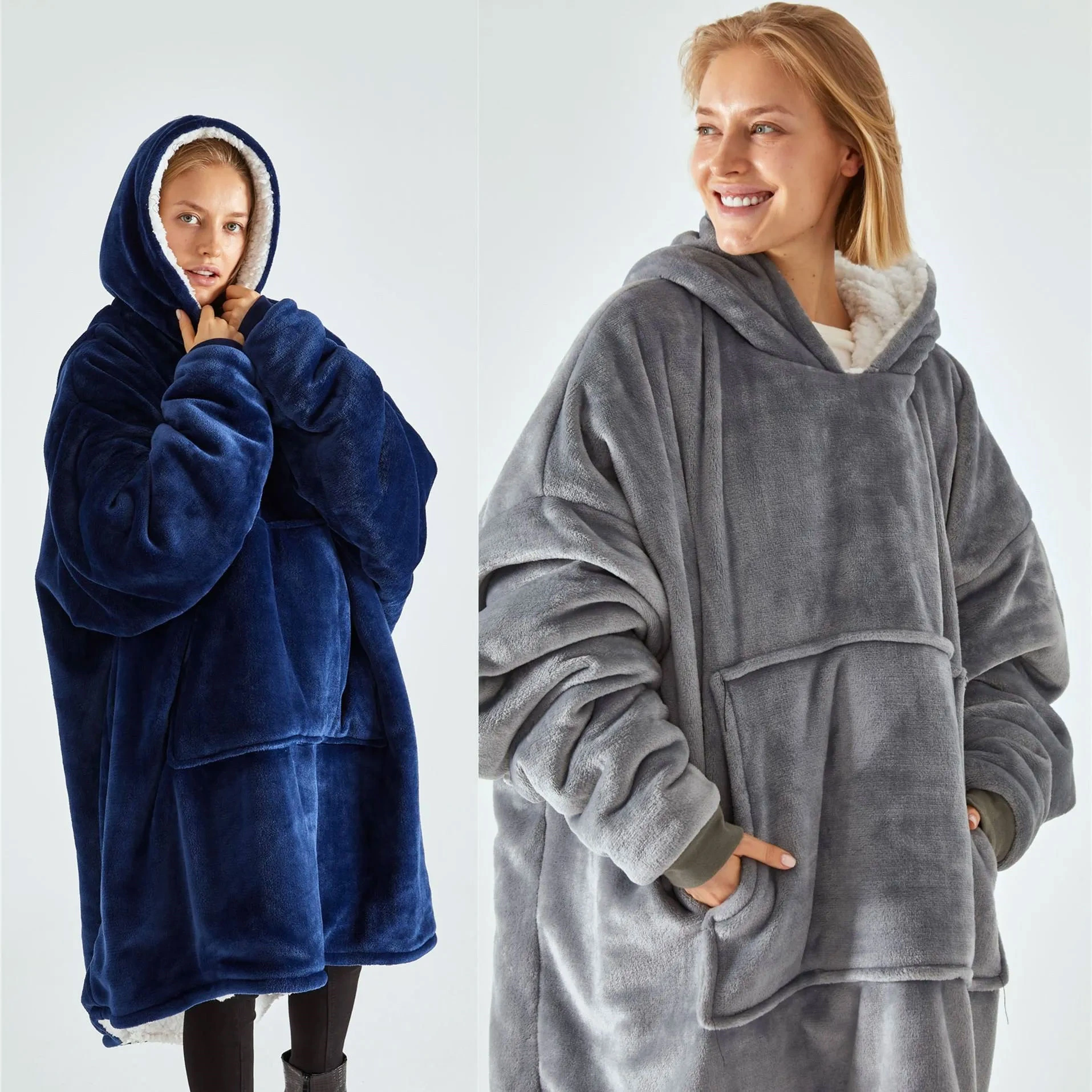
A hoodie blanket is an oversized, wearable garment designed to function as both a blanket and a piece of cozy apparel. It combines the full-body coverage and warmth of a throw blanket with the practical design features of a hoodie sweatshirt.
Core Characteristics for Buyers to Note:
-
Oversized Silhouette: The oversized hoodie blanket design allows it to be worn comfortably over regular clothing, accommodating a wide range of body sizes and promoting a feeling of "swaddled" comfort.
-
Integrated Hood: A large, soft hood provides extra warmth and is a key design element that defines the category.
-
Front Closure/Pouch: Most feature a large front kangaroo pocket or a zippered pouch, serving as a hand-warmer and storage space.
-
Long, Cuffed Sleeves: Sleeves often extend over the hands, sometimes with thumb holes, to keep arms completely covered and warm.
-
Full-Length Coverage: Typically extends to mid-calf or ankles when worn, distinguishing it from a standard sweatshirt.
Understanding this fusion of form and function is crucial for selecting products that meet consumer expectations for a comfy hoodie blanket.
Market Demand & Consumer Appeal: Why Hoodie Blankets Sell
The sustained popularity of wearable hoodie blankets is driven by several converging trends and practical benefits:
-
The "Homebody" Economy: The increase in remote work and home-centric leisure has permanently elevated demand for premium comfort products.
-
Versatility as a Selling Point: Consumers value products that serve multiple purposes. A hoodie blanket functions as a blanket, a robe, and loungewear, offering high perceived value.
-
Giftability: Its novelty and comfort factor make it a highly popular gift for holidays, birthdays, and housewarmings.
-
Universal Appeal: Successful lines cater to all demographics, from hoodie blanket kids designs featuring popular characters to sophisticated, neutral-toned huge hoodie blanket options for adults.
-
Social Media & Visual Appeal: The photogenic and relatable nature of cozy, oversized wear makes it a favorite subject for social content, driving organic marketing.
For B2B buyers, stocking this category means tapping into a product with broad, year-round appeal, with particular seasonal peaks in cooler months.
Product Line Deep Dive: Key Variations for Your Catalog
A diverse product lineup can capture different market segments. Key variations include:
-
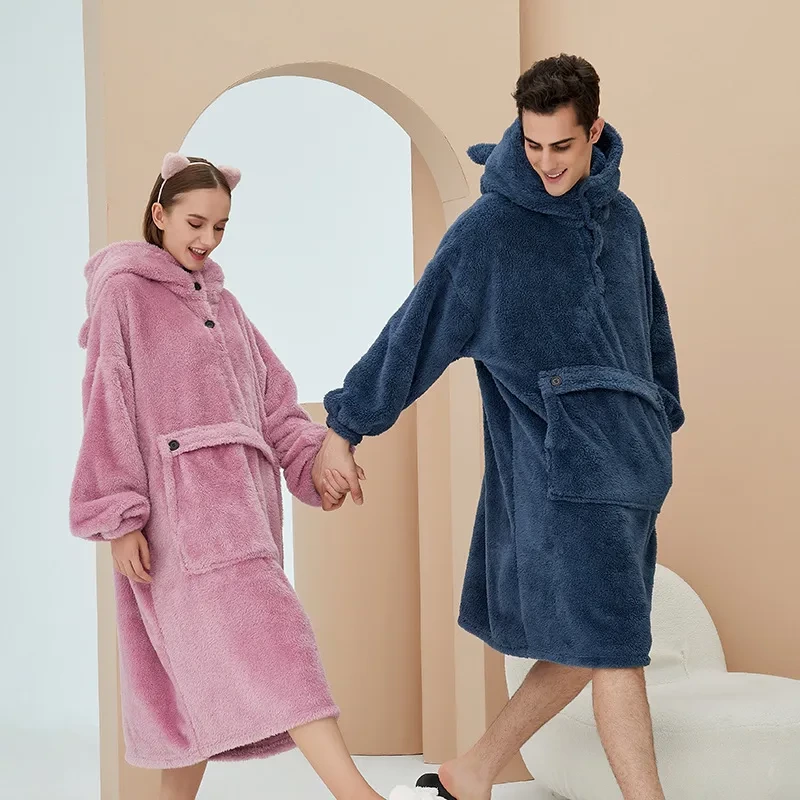
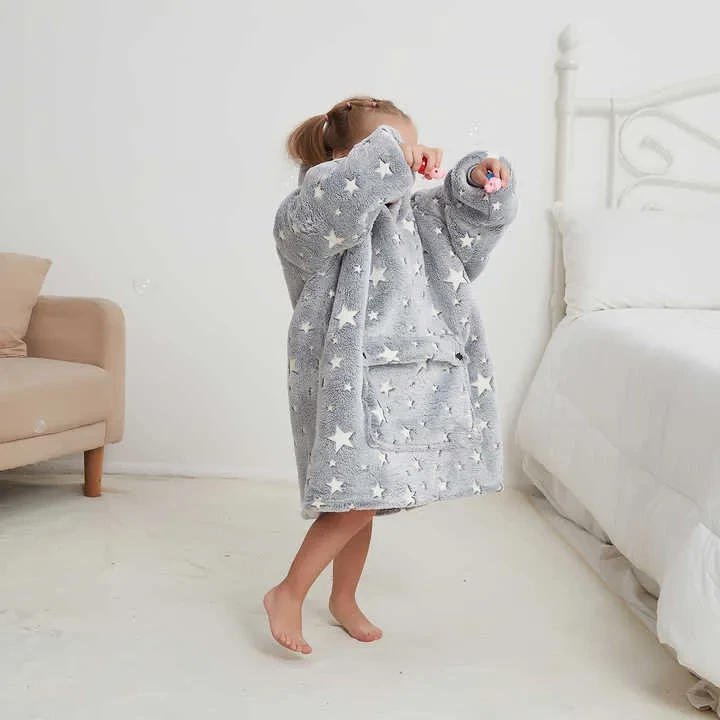
Adult vs. Kids Sizing: Clearly segmented sizing is essential. Hoodie blanket kids versions are proportionally smaller and often feature brighter colors and licensed characters.
-
Closure Types:
-
Kangaroo Pocket Style: The classic, most common type, offering a simple, cozy front pouch.
-
Zip-Up Hoodie Blanket: Provides a more secure fit and a garment-like feel, often perceived as a higher-end variant.
-
-
Style Themes:
-
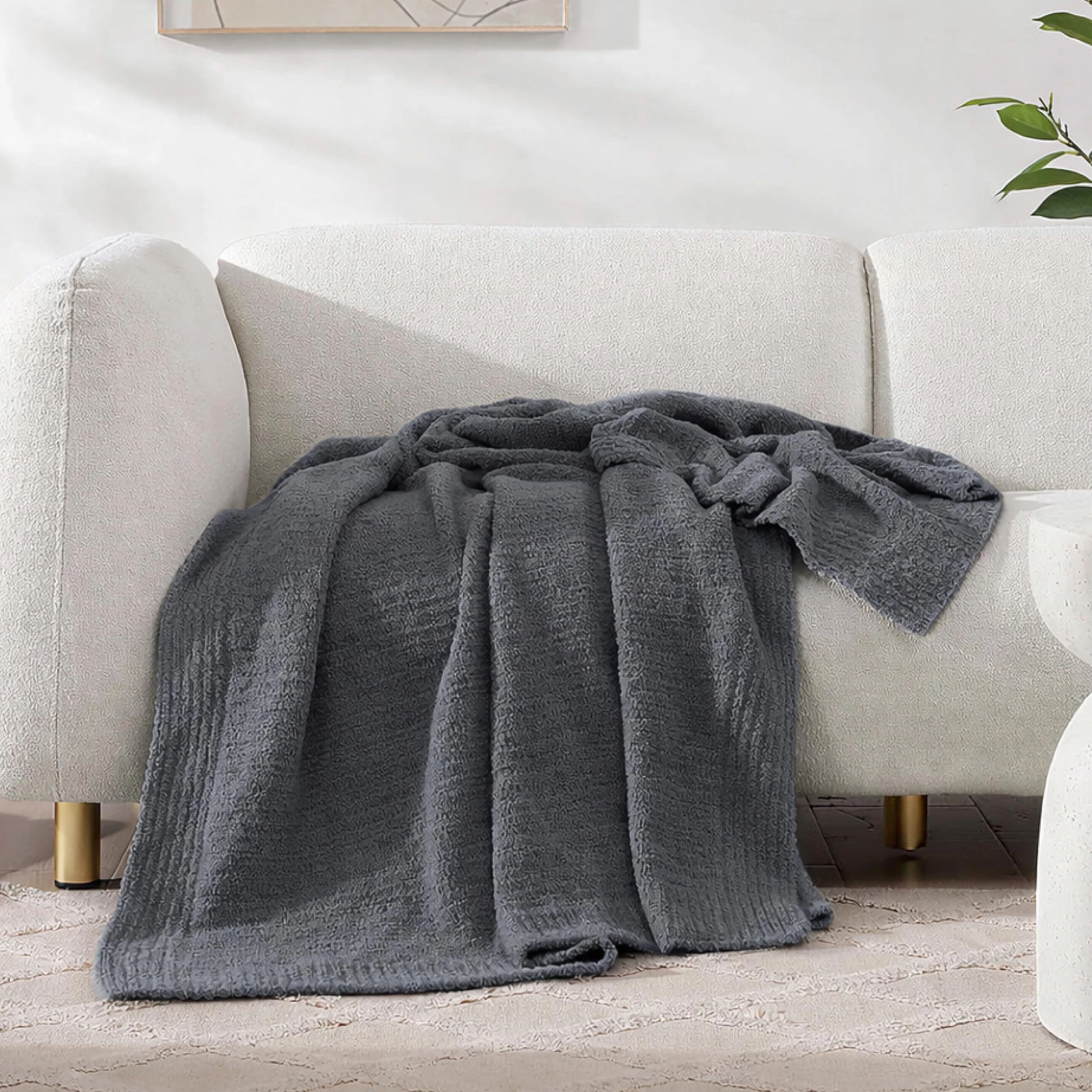
Solid & Fashion Colors: Core inventory staples (e.g., charcoal, cream, pastels).
-
Character & Licensed Designs: High-demand segment, especially for kids and niche adult fandoms (e.g., Disney, sports teams).
-
Seasonal & Novelty Prints: Holiday patterns, tie-dye, animal prints, and other trend-driven designs.
-
-
The "Snuggie" Style: Refers specifically to the sleeved blanket design that is open in the back, a subtype within the broader wearable category.
Offering a mix of these variations—from basic oversized hoodie blankets to exclusive custom hoodie blanket options—allows retailers to cater to both impulse and deliberate purchase decisions.
Material Matters: Choosing Fabrics for Comfort and Durability
The fabric choice is the primary determinant of quality, comfort, and price point.
-
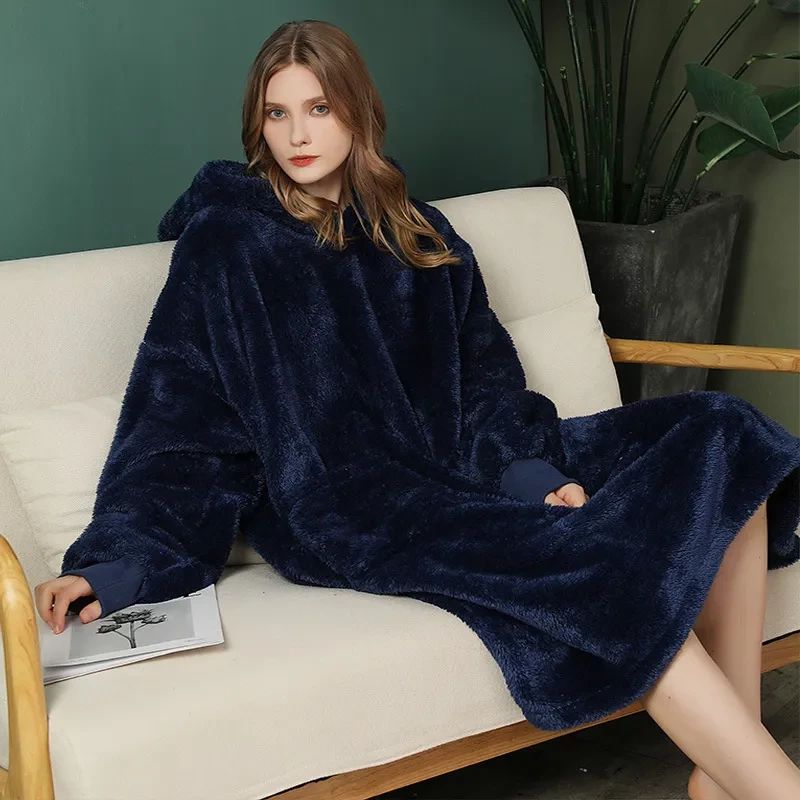
Fleece (Polyester): The industry standard due to its exceptional softness, warmth, lightweight feel, and affordability. It is durable, colorfast, and easy to care for. Quality varies by weight (GSM) and brushing; double-brushed fleece is premium.
-
Sherpa/Faux Fur Lining: Often used as an interior lining (e.g., fleece exterior, sherpa interior) to create an ultra-plush, luxuriously warm experience. This is a key feature for premium positioning.
-
Cotton Blends (Jersey, French Terry): Offer better breathability than fleece and a more "clothing-like" feel. Ideal for warmer climates or consumers who prefer natural fibers, though may be less "blanket-like."
-
Performance Blends: Some fabrics include a small percentage of spandex for stretch and improved fit, enhancing the wearable hoodie blanket experience.
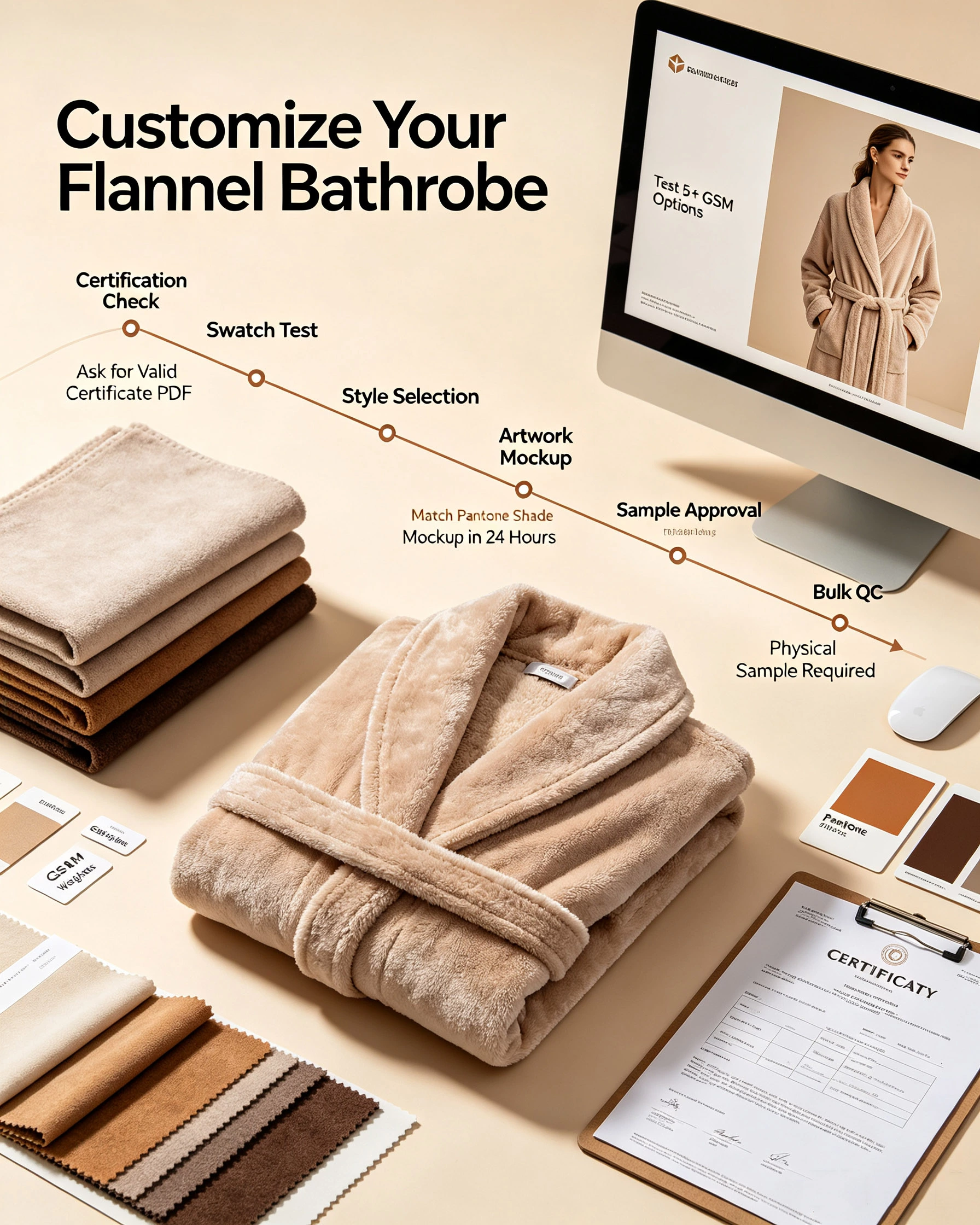
B2B Sourcing Tip: Always request fabric composition and weight specifications. Certifications like OEKO-TEX® can be a major selling point for eco-conscious brands, ensuring fabrics are free from harmful substances.
Design, Customization, and Branding Opportunities
Moving beyond generic supply, custom hoodie blanket programs offer significant margin and brand-building potential.
-
Private Label & OEM: Apply your own brand label and tags to standard designs. This is the first step in brand ownership.
-
Full Customization (ODM/OEM): Work with a manufacturer to create unique designs. This includes:
-
Custom Fabric: Develop exclusive prints, colors, or even fabric blends.
-
Unique Features: Add specific pocket styles, hood shapes, sleeve details (like thumb holes), or unique closures.
-
Branding Integration: Embroidered logos, custom woven labels, and branded packaging (e.g., a matching drawstring storage bag).
-
-
Small-Batch Customization: Some manufacturers offer lower MOQs for custom prints, allowing smaller brands to test the market with exclusive designs.
Quality Assurance and Compliance for B2B Buyers
Protecting your brand requires diligent sourcing. Key quality checkpoints include:
-
Stitch Quality & Durability: Seams must withstand the stress of the garment's size and weight, especially at the sleeve attachments and pocket openings.
-
Fabric Consistency: Color uniformity and pile consistency across the entire production run.
-
Safety & Compliance: Ensure products meet relevant safety standards for the target market (e.g., CPSIA for the US, which includes testing for lead and phthalates). For children's items, this is non-negotiable.
-
Wash Test Performance: The product must maintain its shape, color, and softness after repeated home laundering.
A trustworthy manufacturer will facilitate pre-shipment inspections and provide necessary documentation, such as lab test reports for compliance.
Navigating the B2B Sourcing Process: From Inquiry to Delivery
A streamlined sourcing process minimizes risk and ensures timeline adherence.
-
Initial Inquiry & Sampling: Provide clear specifications. A professional manufacturer will produce a counter-sample for your approval, locking in quality, fabric, and fit.
-
Production & In-Line QC: During manufacturing, in-process checks should monitor cutting, sewing, and assembly. This prevents large-scale defects.
-
Final Inspection & Shipping: Before shipment, a Final Random Inspection (based on AQL standards) should be conducted. Reliable partners offer flexible shipping terms (FOB, EXW, etc.) and clear logistical communication.
Partnering with a Specialist:
For B2B buyers, working with a factory that specializes in home textiles and softwear, like KRCAREER, offers distinct advantages. Such a partner typically provides:
-
End-to-End Service: From fabric sourcing and R&D support to sewing and quality control under one roof.
-
Proven Compliance: Adherence to international social (e.g., BSCI, Sedex) and material standards, which is increasingly important for brand partnerships.
-
Scalability & Flexibility: With dedicated production lines (e.g., sewing factories with a daily capacity of thousands of pieces), they can handle both sizable custom orders and smaller, agile runs for trending designs.
-
Transparent Process: A clear ODM/OEM workflow—from inquiry and sampling to production and shipping—ensures buyers are informed at every stage, with typical lead times of 30-45 days after sample confirmation.
Conclusion: Capitalizing on the Cozy Trend
The hoodie blanket is a paradigm of modern comfort, successfully merging utility with indulgence. For the astute B2B buyer, success lies in curating a balanced assortment—mixing high-volume basics with unique custom hoodie blanket offerings—and in securing a supply chain partner that guarantees not just product, but consistency, compliance, and collaborative innovation.
By focusing on quality materials, thoughtful design, and a reliable, certified manufacturing foundation, you can transform this cozy trend into a durable and profitable pillar of your product portfolio.